Groundcover: the first thing to protect when the season turns dry
When feed gets short, the decisions that protect groundcover are the ones that protect next season's pasture, the soil beneath it and the water that falls on it.
- Author
- By Brampton Agriculture
- Published
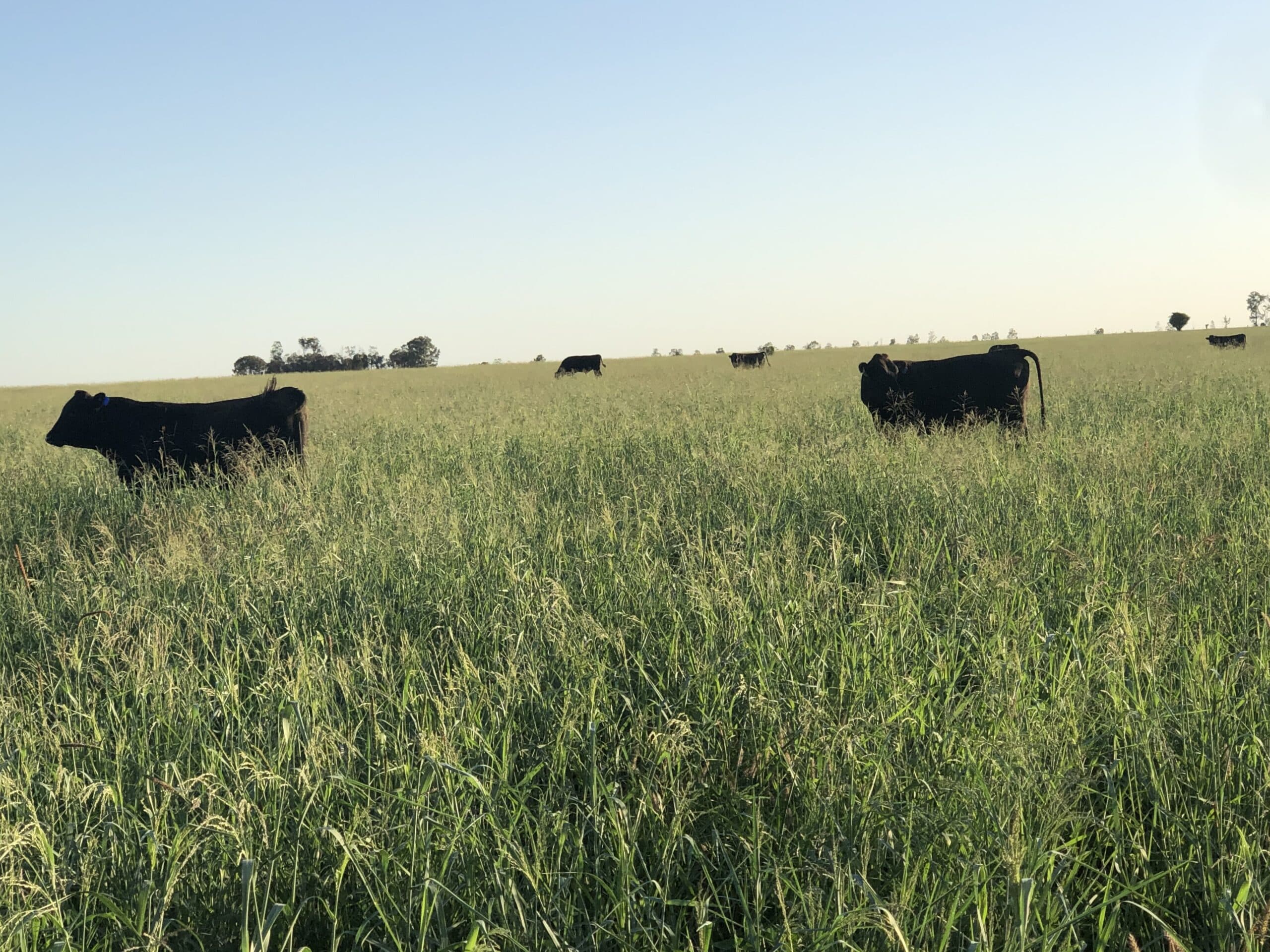
Every grazing property reaches a point in a dry run where the question changes. It stops being how much feed is on offer and becomes how much of the ground is still covered. That shift matters, because groundcover is doing several jobs at once, and most of them are easier to keep than to recover.
What groundcover is doing
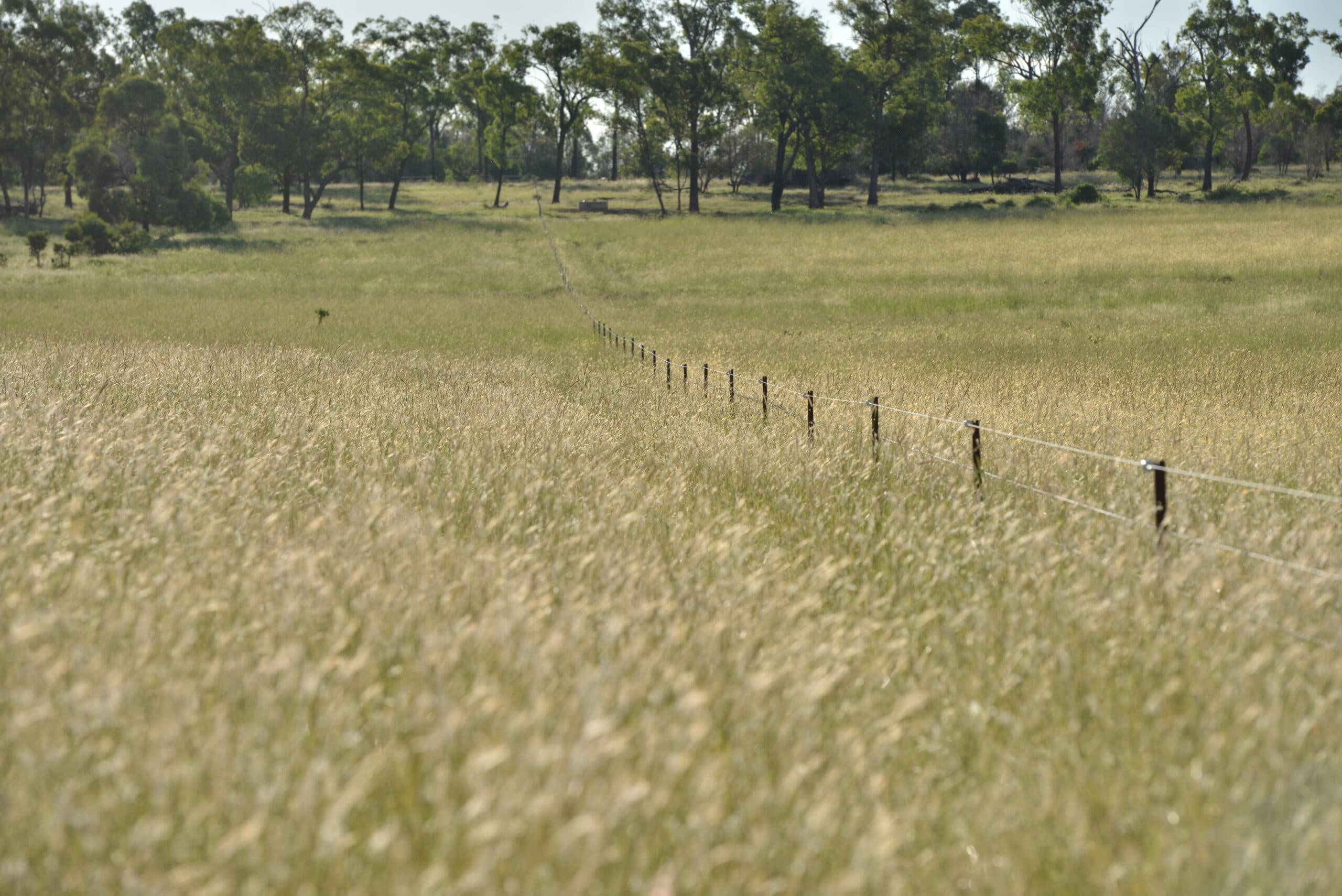
Living plants, dry standing feed and litter on the surface all count. Together they slow water running across the paddock so more of it soaks in, they shade the soil so it holds that moisture longer, and they hold the surface in place when wind or heavy rain arrives. They also carry the plants and seed that will respond when the season breaks.
Once cover falls below the level a soil needs, the losses compound. Bare ground sheds water instead of absorbing it, the first storm takes topsoil with it, and the pasture that comes back is often weedier and slower than the one that was there.
Why the stocking decision is the groundcover decision
Rotation, spelling and infrastructure all help, but none of them can hold cover if there are more mouths in the paddock than the season can feed. The honest measure is the gap between what cattle need and what the country is growing. When growth stops, that gap only closes by reducing demand: selling, agisting, weaning early or feeding.
The difficult part is timing. The cost of acting early is usually known and modest. The cost of acting late is uncertain and often much larger, because it includes the pasture and soil that have to be rebuilt afterwards.
Practical markers worth watching
- A cover target for each land type. Lighter soils and sloping country need more protection than heavy flats. Knowing the threshold before the dry starts removes the argument later.
- Feed on offer against days of demand. A simple feed budget, updated as conditions change, shows how long the current mob can stay before cover is at risk.
- Trigger dates. Decide in advance what will happen if useful rain has not arrived by a set date. A date on the calendar is easier to act on than a general feeling that things are getting tight.
- Water as well as feed. Stock water can run short before pasture does, and a paddock with feed but no water is not available feed.
How this shapes our management
At Brampton we treat groundcover as the first constraint in a grazing plan, not a result we hope for at the end. Stocking decisions, rest periods and water planning are judged against it, and the plan is expected to change when the season does. Our broader approach to grazing and pasture recovery is set out on Land and grazing, and how we intend to assess the results of those decisions on Research and learning.
Related reading
- Rotational grazing: recovery, stocking decisions and monitoring
- Land improvement and grazing management
Sources
- Meat & Livestock Australia, More Beef from Pastures: Pasture utilisation
- Meat & Livestock Australia, Grazing and pasture management research
- Department of Agriculture, Fisheries and Forestry, Soils
This is an explanatory article about a management principle. Cover thresholds and feed budgets should be set for the specific property and land types involved.