Shade, shelter and habitat: trees as working infrastructure
Trees on a grazing property are not a cost of doing business or a gesture to the environment. Managed well, they are infrastructure that earns its place through cattle welfare, pasture protection and the long-term condition of the country.
- Author
- By Brampton Agriculture
- Published
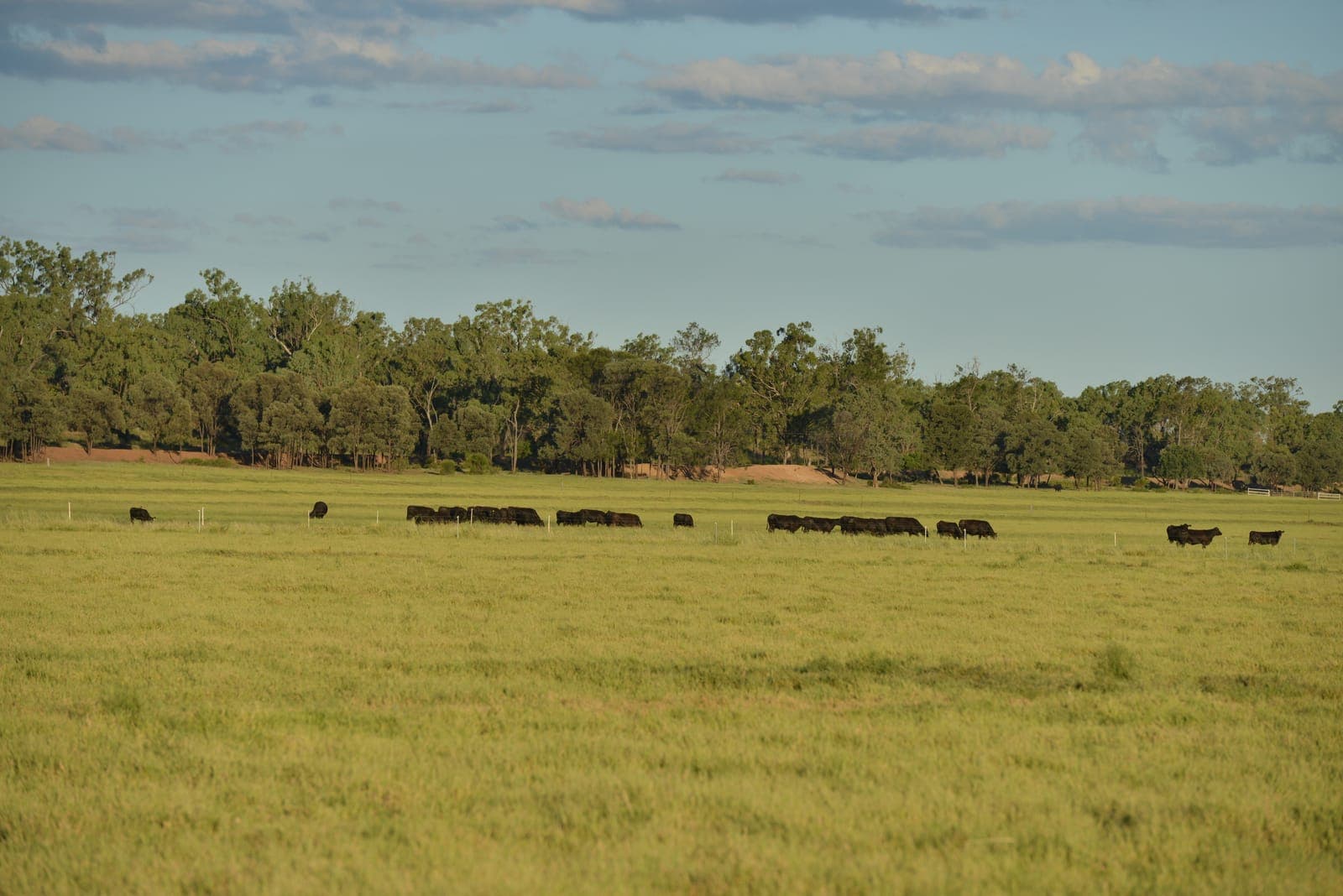
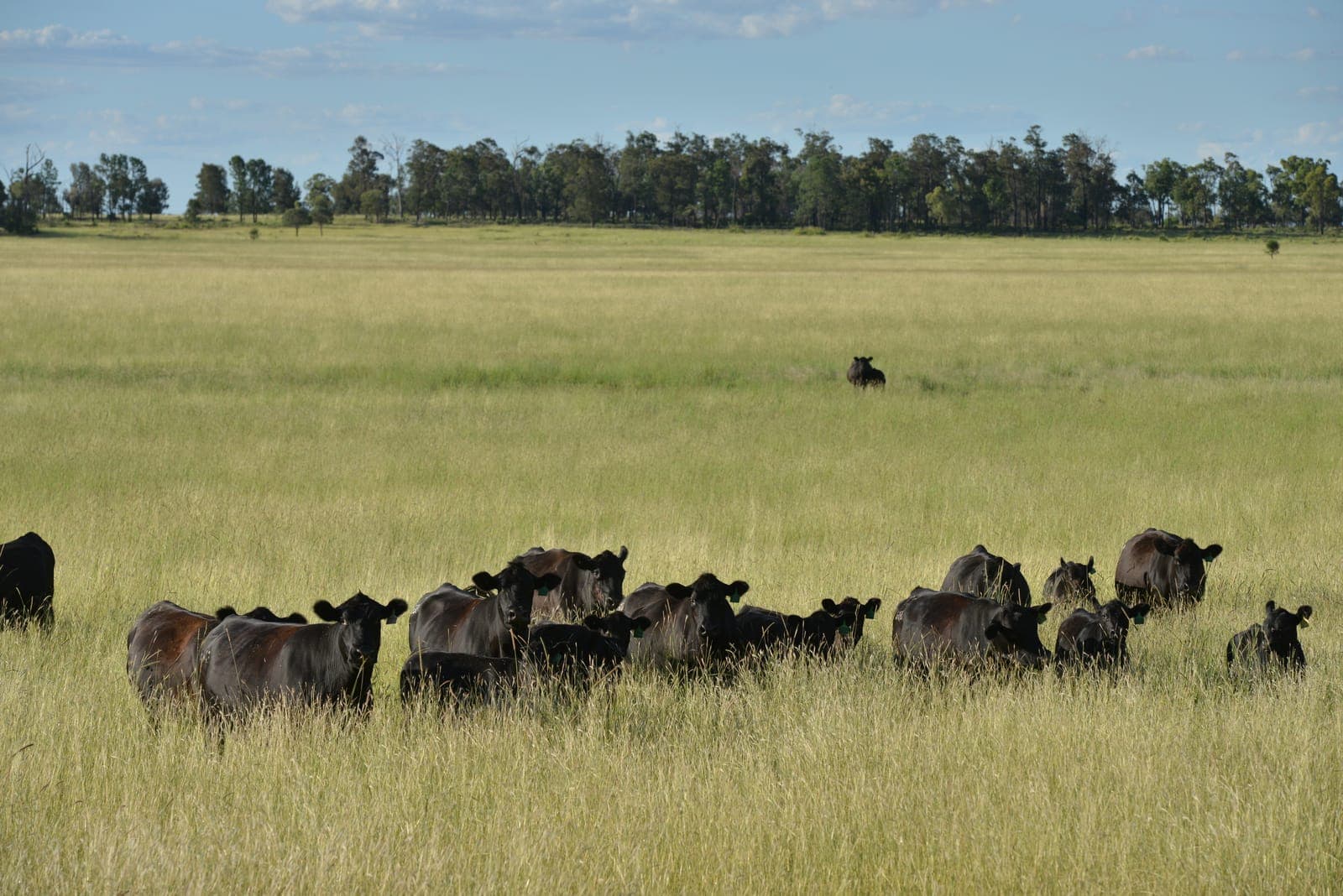
On a lot of grazing country the trees that remain are the ones that were too hard to clear, too useful to lose or simply overlooked. They are often treated as a fixed feature rather than something to manage. That is a missed opportunity. Trees do several jobs on a working property, and a plan that treats them as infrastructure, with purposes, maintenance and eventual replacement, gets more from them than one that leaves them to chance.
Shade and cattle performance
In hot weather, cattle without shade spend energy regulating body temperature instead of growing or producing milk. They graze less during the day, crowd water points and in severe conditions suffer real welfare consequences. Shade changes that behaviour. Cattle with access to shade graze more evenly through the day and spend less time standing in dams and creeks.
The placement of shade matters as much as its presence. A single shade tree in a large paddock becomes a stock camp: the ground beneath it is bare and compacted, nutrients concentrate there and the pasture elsewhere is under-used. Shade distributed across a paddock, or shade in a position that draws cattle away from sensitive areas, spreads grazing pressure and manure more evenly. Where natural shade is lacking, planted belts or constructed shade can serve the same purpose while trees establish.
Shelter from wind and cold
Shelter is the winter counterpart of shade. Wind and cold rain raise the energy cattle need just to stay warm, and for newborn calves and freshly weaned stock the difference between a sheltered paddock and an exposed one can be a matter of survival. Calving paddocks with shelter from the prevailing cold wind are a long-standing practical measure for this reason.
Shelter also protects pasture. Wind dries soil and pasture faster, and in exposed paddocks the growth close to a windbreak is often visibly stronger than growth in the open. A shelterbelt oriented across the prevailing wind protects a strip of paddock many times its own height.
Soil, water and the paddock below
Deep-rooted trees reach water and nutrients that shallow-rooted pasture cannot. They draw on the water table, which in some landscapes helps manage salinity and waterlogging. Their leaf litter adds organic matter, and their roots hold soil on slopes and along creek lines where erosion starts. Trees along waterways slow runoff, trap sediment and shade the water, which affects water quality for stock as well as the stream itself.
None of this is automatic. Trees compete with pasture close to their trunks, and a dense stand can suppress grass over a wide area. The question is not whether trees are good or bad for pasture, but where they do more good than harm, which is a question answered paddock by paddock.
Habitat on a working landscape
A grazing property that retains trees, understorey and connecting corridors supports birds, insects and other animals that a cleared landscape does not. Some of these are directly useful: insectivorous birds and predatory insects help control pasture pests, and pollinators matter for some pasture legumes. Others are valued in their own right, and in some cases are protected by law.
Habitat is also where environmental market opportunities arise, whether through biodiversity programs or vegetation-based carbon projects. Those opportunities carry obligations and need separate assessment, but a property that has managed its trees well is in a stronger position to consider them.
The regeneration problem
The largest threat to trees on grazing country is not clearing. It is the absence of young trees. Cattle eat and trample seedlings, and a paddock with only mature trees has a tree population that is quietly ageing out. When the old trees die, there is nothing to replace them.
Managing for regeneration means giving seedlings a period of protection: fencing off patches, timing grazing to avoid the establishment period, or planting into protected areas. It is a long-horizon investment. The trees planted or protected this year will be doing their job for the next owner, which is exactly the kind of decision a long-term owner is placed to make.
Planning trees as infrastructure
A practical tree plan for a grazing property covers:
- Purpose by location. Which trees provide shade, which provide shelter, which protect waterways and which are habitat. Many do more than one job, but naming the primary purpose guides management.
- Condition and age. Where the stands are healthy, where they are declining and where there is no next generation.
- Protection. Which areas need fencing or grazing exclusion, and for how long.
- Planting. Where new belts or patches would do a job that existing trees do not, with species suited to the site.
- Obligations. Which vegetation is protected, and what approvals apply to any clearing, thinning or works nearby.
How this fits Brampton's approach
We consider trees, shelter and habitat as part of the working landscape rather than as a separate environmental matter. Their management is judged against the needs of the cattle enterprise and the long-term condition of the country, with environmental opportunities assessed carefully where they fit the property plan. That approach is described in what we do and on Land and grazing.
Related reading
- Carbon projects and agriculture: questions before committing
- Land improvement and grazing management
Sources
- Meat & Livestock Australia, Environment and sustainability research
- Landcare Australia, landcareaustralia.org.au
- Department of Climate Change, Energy, the Environment and Water, Nature Repair Market
This is an explanatory article. Vegetation on agricultural land is subject to state and local regulation; check the rules that apply before clearing, thinning or planting.