A feed budget you will actually use
A feed budget is a comparison between what the cattle need and what the country is growing. Kept simple and updated as the season moves, it is the tool that turns a vague feeling about feed into a decision with a date on it.
- Author
- By Brampton Agriculture
- Published
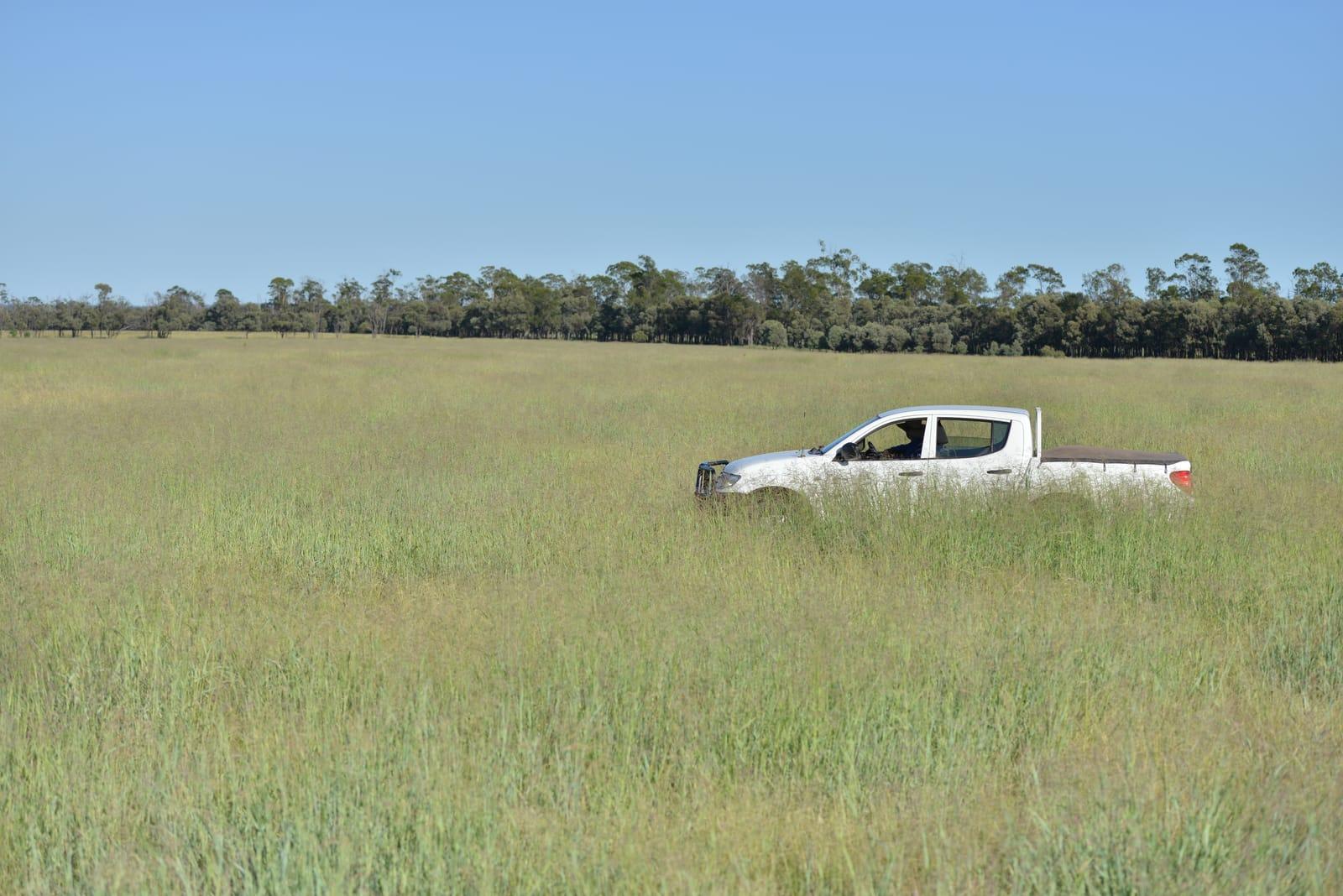
Every producer runs a feed budget. Most run it in their head, by walking the paddocks and forming a view. That works until the season does something the eye has not seen before, or until the person with the eye is not there. A written feed budget is the same judgement made explicit, so it can be checked, shared and corrected. The trick is keeping it simple enough to maintain.
What a feed budget is
At its core, a feed budget compares two quantities over a period: the feed the cattle will need, and the feed the paddocks will supply. The supply side is what is standing now plus what will grow. The demand side is the number of cattle, their size and their stage of production. The result is a surplus or a deficit, and the date at which a deficit arrives.
That date is the point of the exercise. A budget that says the paddock has forty days of feed, before considering growth, turns an open-ended worry into a fixed decision point. Forty days out, the options are many. Ten days out, they are few.
Estimating what is standing
Pasture on offer is usually estimated in kilograms of dry matter per hectare. The estimate can come from a calibrated eye, a pasture ruler or plate meter, or cutting and weighing small quadrats. Precision matters less than consistency: an estimate that is always a little high is still useful if it is always the same amount high, because the trend is what drives decisions.
Not all standing feed is available. Cattle will not graze a paddock to bare ground without damaging it, and a budget that assumes they can is a budget for losing the pasture. A residual, the amount to leave behind to protect the plants and the soil, has to be subtracted from the standing figure before it becomes available feed. The residual is a management choice, and it is where groundcover targets enter the budget.
Estimating what will grow
Growth is the uncertain part. In a growing season, the paddock may add more feed than the cattle remove, and the budget shows a surplus that can be used, spelled or conserved. Outside the growing season, growth is close to zero and the budget becomes a countdown.
Rather than predicting rainfall, a workable approach is to budget on the feed that exists, treat growth as a bonus, and update the budget when it arrives. A budget that assumes an average season will be wrong in every season that is not average, which is most of them.
Estimating what the cattle need
Demand depends on the number of animals and what each one needs to eat. A dry cow needs less than a lactating cow; a growing steer needs enough to gain weight, not just to maintain it. Standard figures for intake by class of animal, available from industry sources, are adequate for a working budget. The common mistake is to count head without accounting for the fact that a cow with a calf at foot is eating for two.
As cattle grow, their demand grows. A budget that holds demand constant through a backgrounding period will run short before it says it will.
Keeping it alive
A feed budget done once is a snapshot. The value is in the update: re-estimating standing feed at a regular interval, adjusting demand for sales and purchases, and moving the deficit date forward or back. The interval depends on the season. Monthly is adequate in stable conditions; fortnightly or weekly is warranted when conditions are changing fast or a decision is approaching.
The budget also needs a place to live. A single sheet, a spreadsheet or one of the industry tools built for the purpose all work. What matters is that the current version is where the decision-maker can see it.
Turning the number into a decision
A deficit date on its own changes nothing. Attached to it should be the options, costed in advance: reduce numbers by selling or agisting, buy feed, wean early to cut demand, or accept a lower residual and a cost to the pasture. Deciding which option applies at which point, before the point arrives, is what makes the budget a management tool rather than a record of anxiety.
The budget also works in the other direction. A surplus in a good season is a decision too: whether to carry more stock, spell paddocks that need it, or conserve feed for later. A surplus that is not managed is grazed unevenly, loses quality and is lost to the next dry period.
Common failures
- Budgeting on average rainfall and being surprised by a below-average year.
- Ignoring the residual, so the budget runs to bare ground.
- Holding demand constant while cattle grow or calve.
- Updating only when things look bad, by which time options have narrowed.
- Keeping the budget private, so no one else can act on it or question it.
How this fits Brampton's approach
A grazing plan at Brampton is expected to change when conditions change, and the feed budget is how that change is seen coming. We use it to connect available feed, groundcover, stock water and cattle condition to decisions with dates attached, as described on Land and grazing. Drought resilience, in our view, starts with recognising limits early, and the budget is the first place a limit shows up.
Related reading
- Groundcover: the first thing to protect when the season turns dry
- Reading a paddock: what pasture condition tells you before you count the feed
Sources
- Meat & Livestock Australia, More Beef from Pastures: Pasture utilisation
- Meat & Livestock Australia, More Beef from Pastures: Pasture growth
- Meat & Livestock Australia, Tools and calculators
This is an explanatory article about feed budgeting. Intake figures, residual targets and estimation methods should be chosen for the specific cattle, pastures and region.