Heat stress in cattle: management when summer arrives
Hot weather costs cattle before it harms them. Reduced grazing, lower growth and poorer conception are the quiet losses. Managing heat is about shade, water, timing and knowing which animals are most at risk.
- Author
- By Brampton Agriculture
- Published
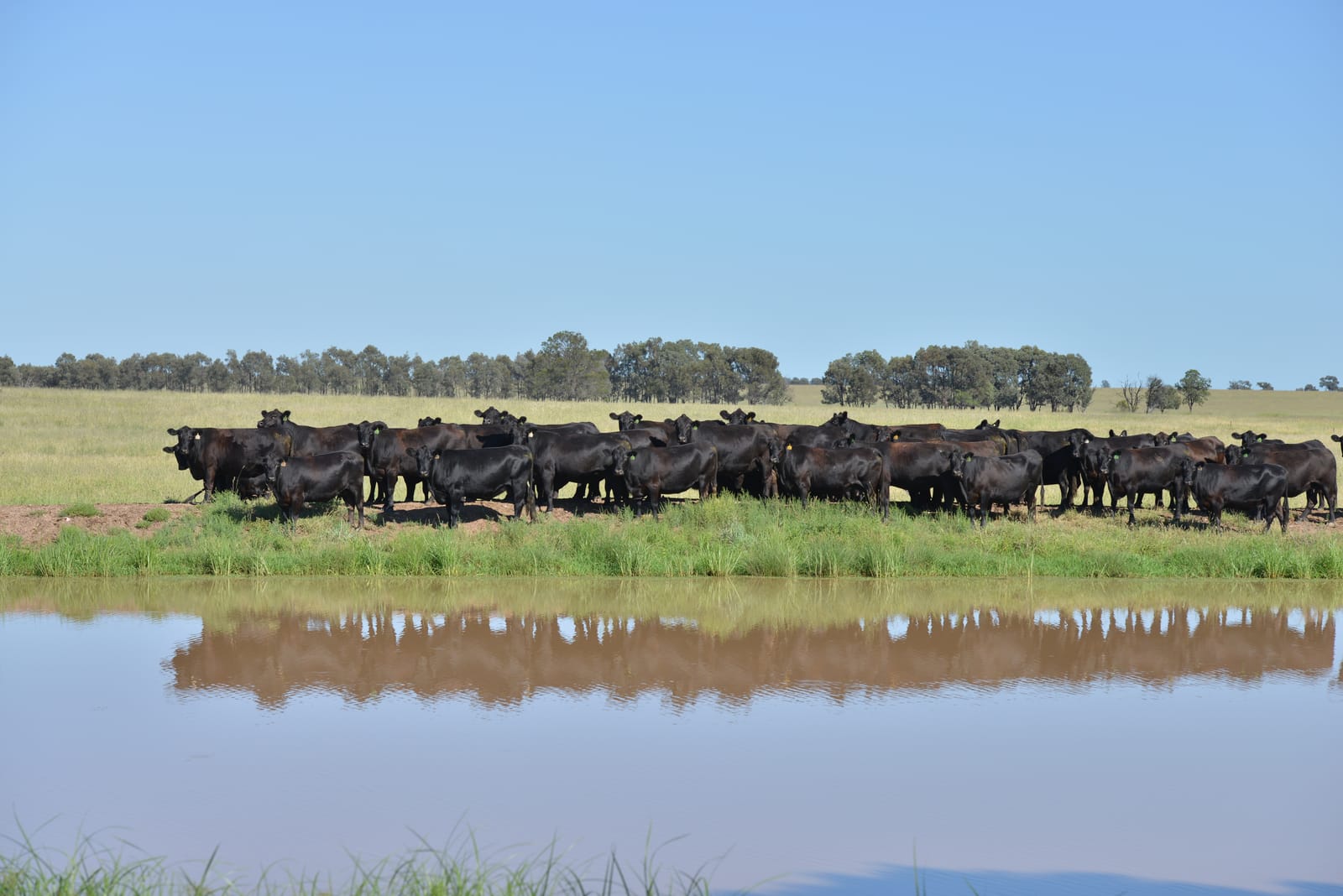
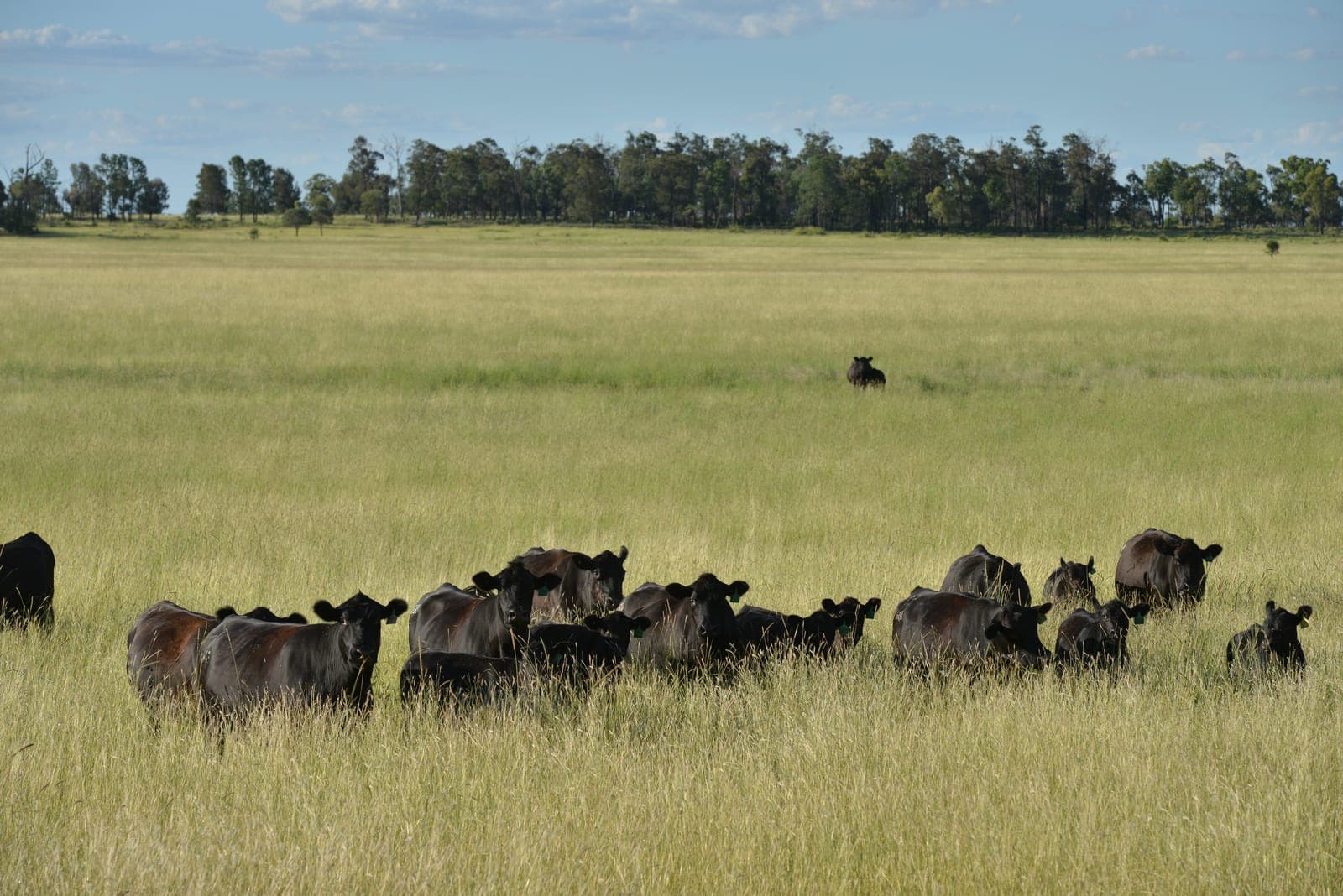
Cattle cope with heat, up to a point. Beyond it, they spend energy on staying cool that would otherwise go into growth, milk or maintaining condition for joining. In severe conditions, heat stress becomes a welfare emergency. Between those extremes is a long stretch of hot days where management decisions make a measurable difference to how cattle perform and how comfortable they are.
How cattle lose heat and why it fails
Cattle shed heat mainly through breathing and sweating, and by radiating to cooler surroundings at night. When the air is hot and humid, sweating is less effective. When nights stay warm, cattle do not recover the heat load of the day and start the next one already behind. That is why a run of hot, humid days with warm nights is more dangerous than a single very hot day followed by a cool evening.
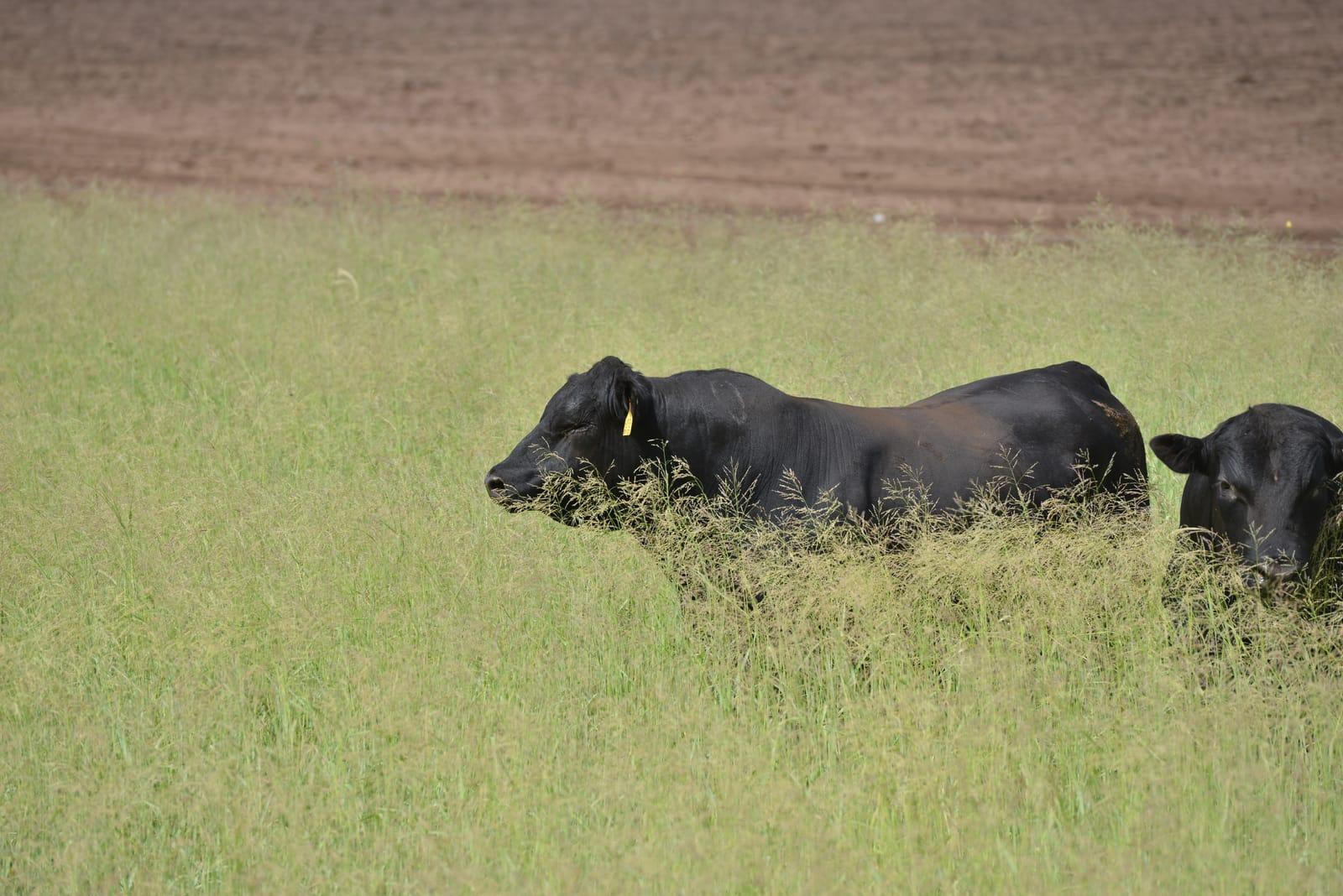
The animal's own heat production adds to the load. Digesting feed, particularly high-roughage feed, generates heat. A heavy animal in good condition produces and retains more heat than a lighter one. Cattle with dark coats absorb more radiation; cattle with thick coats shed heat slowly. Breed differences in heat tolerance are real and relate to coat, skin and metabolism.
Who is most at risk
Not every animal in a mob is equally exposed. The higher-risk groups are:
- Heavy, well-finished cattle, which produce more heat and have less surface area relative to their mass.
- Lactating cows, whose milk production adds to heat load.
- Cattle on high-energy rations, in feedlots or intensive finishing.
- Sick animals or those with respiratory conditions, which cannot increase breathing effectively.
- Dark-coated and thick-coated cattle, and breeds with lower heat tolerance.
- Animals without shade or with limited access to water, regardless of type.
Knowing which mobs fall into these groups allows management to concentrate where it matters.
Shade and water, again
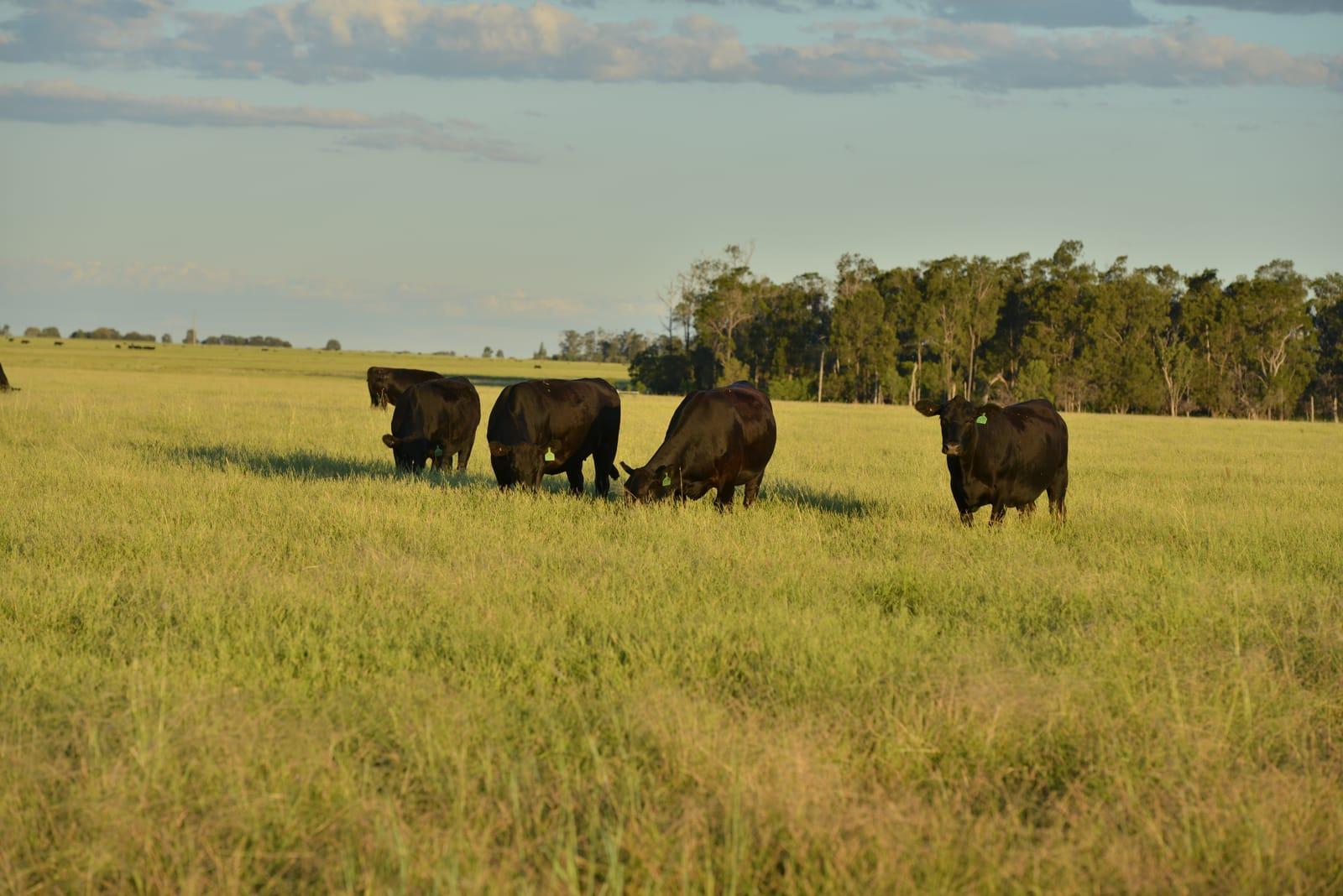
Shade reduces the radiant heat load directly. Cattle with shade graze more during the day, spend less time crowding water and recover better. Shade that is spread across the paddock is better than a single tree that becomes a crowded camp. Where natural shade is limited, temporary structures or access to a sheltered paddock during heat events are practical measures.
Water demand rises steeply in heat, and so does the sensitivity of cattle to its quality and temperature. Water in exposed black pipes or shallow troughs can become warm enough that cattle drink less of it. Trough capacity and refill rate need to cope with the whole mob wanting to drink in the same hour. A water system that is adequate in spring can be a limiting factor in a heatwave.
Timing the work
Handling, mustering, transport and yard work all add to heat load. In hot weather these jobs belong in the early morning, with cattle given access to water and shade as soon as they are finished. A muster in the heat of the afternoon can turn a routine job into a welfare problem, particularly for heavy cattle.
Feeding is another timing decision. Because digestion generates heat, feeding grain or supplements in the evening rather than the morning shifts the peak heat of digestion into the cooler part of the day. For cattle on high-energy rations, feedlot practice during heat events includes adjusting ration composition and timing, and the same principle applies, in a simpler form, to supplementary feeding on pasture.
Recognising a problem
Cattle under heat stress breathe faster and, as it worsens, with an open mouth and extended neck. They stand rather than lie down, crowd into shade or water, and stop grazing. Drooling and a tongue protruding are signs of serious stress. Any animal showing these signs needs shade, water and rest, and in severe cases cooling with water. Cattle found dead after a hot period are often the heavy, dark or sick animals that were most at risk.
Forecasts of heat events, now widely available for livestock, allow preparation rather than reaction. The sequence of hot days and warm nights is the thing to watch, not just the maximum temperature.
Longer-term management
Over seasons, heat is managed through decisions that are not about heat at all. Calving and joining dates that avoid cows lactating or being joined in the hottest months reduce exposure. Breed and genetic selection for heat tolerance matters in hot regions. Tree planting and shade infrastructure are long investments that pay in every hot summer that follows. Marketing heavy cattle before the peak of summer rather than carrying them through it is another option where the market allows.
How this fits Brampton's approach
Animal welfare is part of good cattle management, and heat is one of the conditions that tests it. Our approach places importance on access to suitable feed and water, appropriate care and considered handling, and we treat shade and water infrastructure as part of the property plan rather than an afterthought. The principles are set out on Cattle and Wagyu, and the role of trees and shade on a working property in Shade, shelter and habitat.
Related reading
Sources
- Meat & Livestock Australia, Animal health, welfare and biosecurity research
- Meat & Livestock Australia, More Beef from Pastures: Herd health and welfare
- Bureau of Meteorology, Climate information and outlooks
This is an explanatory article about managing cattle in hot weather. Animals showing signs of severe heat stress need immediate attention and veterinary advice.